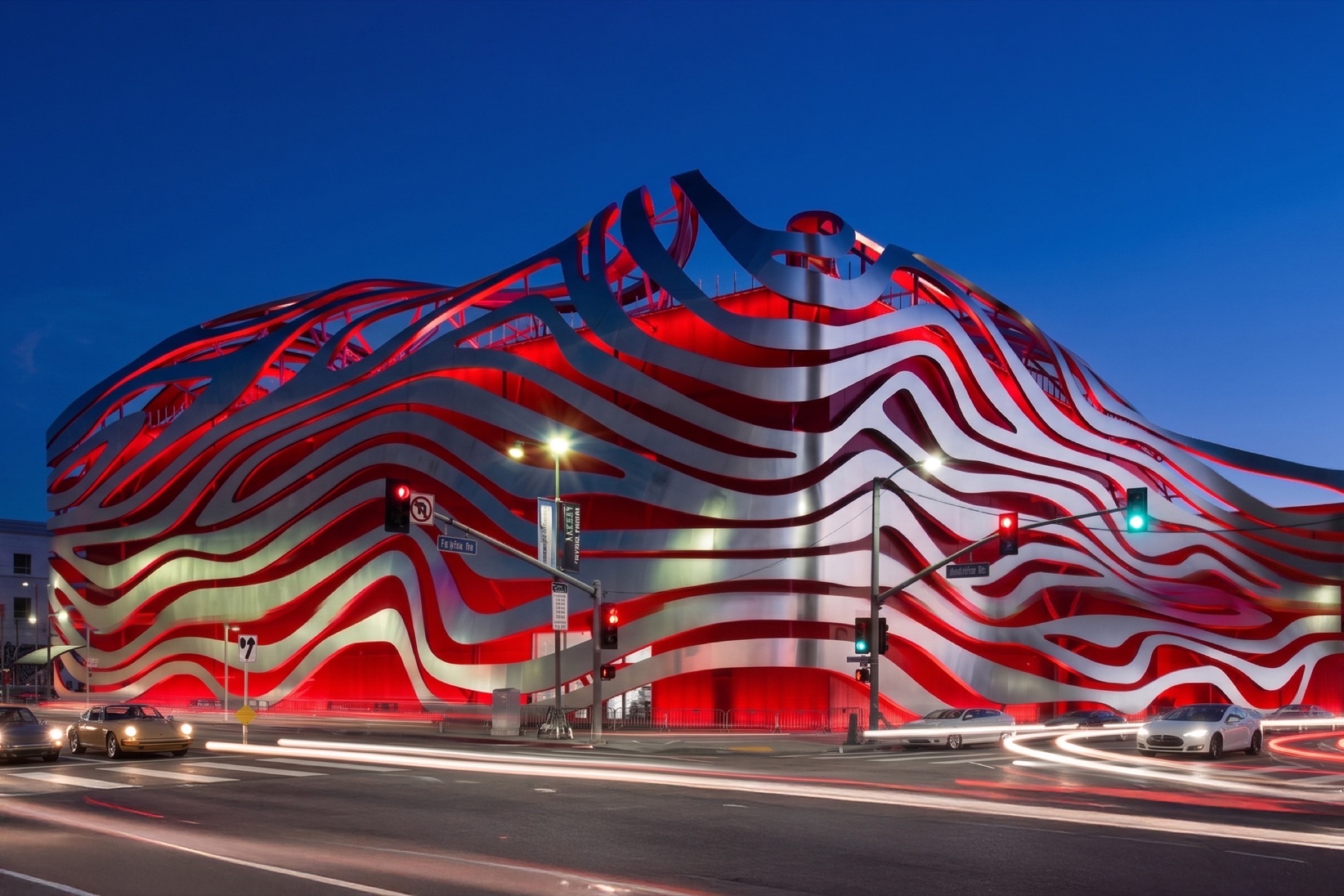
Reintroducing A Cultural Landmark — Petersen Automotive Museum
Overview
For the grand reopening of the Petersen Automotive Museum, Dutch architected, designed, developed, and deployed a museum-wide publishing platform that powered interactive content across the entire facility.
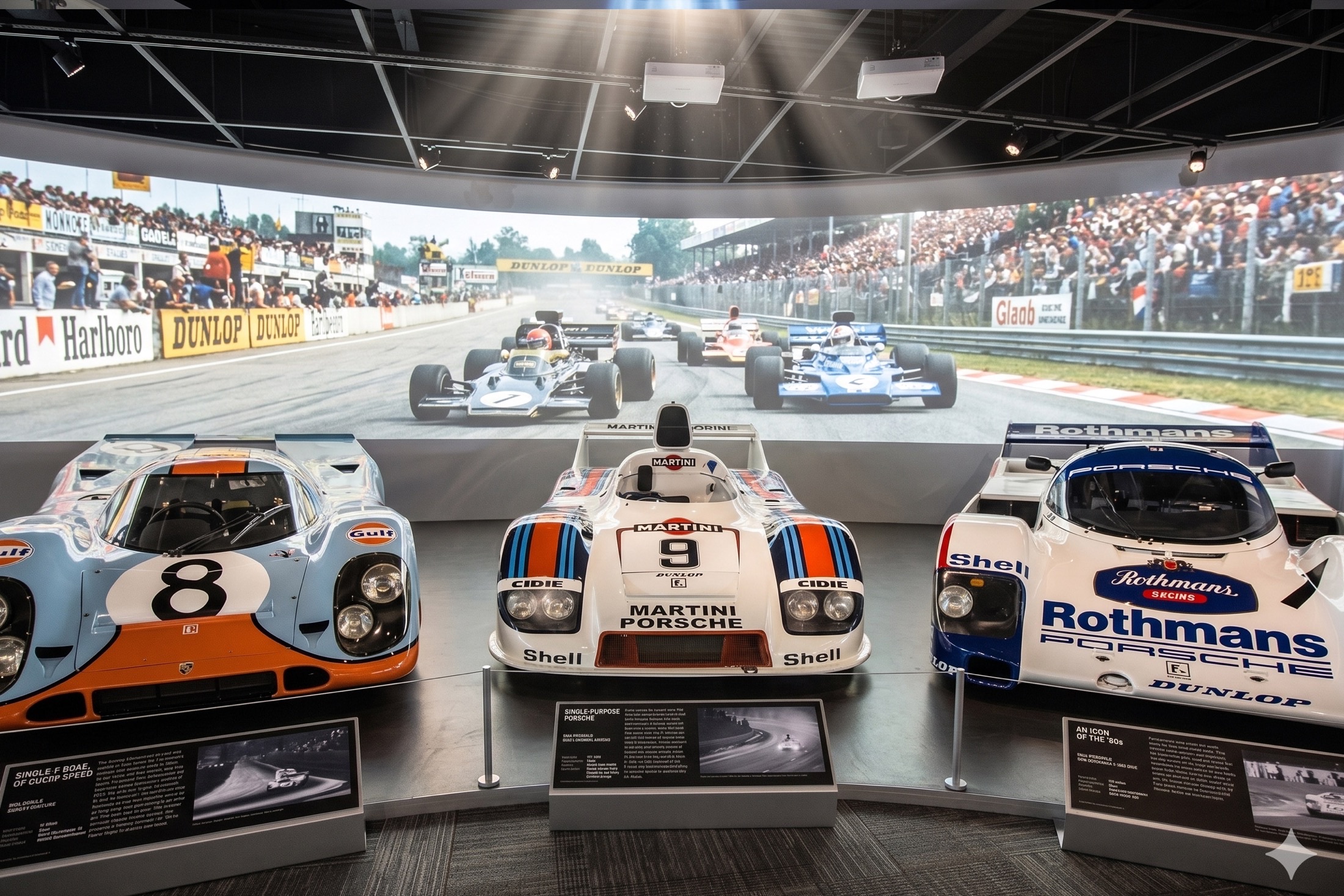
The system supported nine distinct exhibitions, each with its own theme tied to automotive culture in Southern California and across the United States. These ranged from the evolution of the automotive industry to a dedicated Cars exhibit developed in partnership with Disney, where children engaged with physical models of Lightning McQueen through interactive activations.
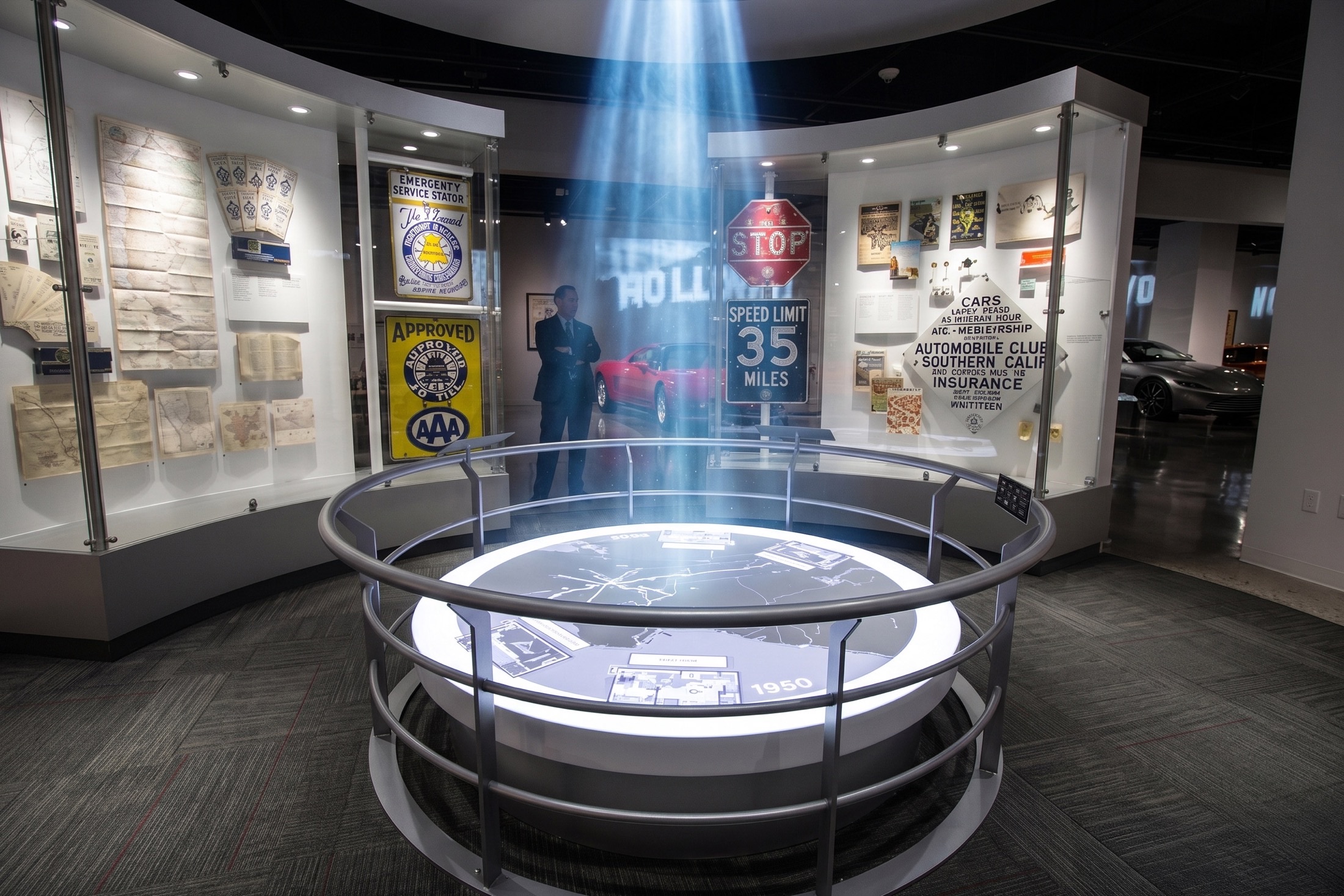
At the core of the experience was a centralized platform that allowed content to be easily managed, updated, and deployed across more than 90 terminals throughout the museum. This enabled curators and operators to maintain consistency while adapting content dynamically across exhibitions.
Security and control were critical. The system was built with strict guardrails to ensure sensitive content remained protected, while still allowing for efficient publishing workflows across teams.
The result was a cohesive, technology-driven experience that connected storytelling, interaction, and operations into a single system.
Results
- Tenfold increase in museum attendance following the relaunch
- Seamless content deployment across 90+ interactive terminals
- Video content feeds and compilations generated from dynamic data inputs
- Ongoing application maintenance and optimization based on usage patterns
- Conversion and experience improvements informed by CRO practices
- KPI tracking driven by analytics and real-time user feedback
- Improved operational efficiency through centralized publishing and management
- Secure content workflows with strong protections against leaks and unauthorized access
- Elevated visitor engagement through interactive, story-driven exhibitions
Why It Matters
The Petersen project demonstrates how platform design can transform physical spaces into dynamic, content-driven environments.
It shows how digital systems can power real-world experiences at scale, connecting storytelling, interaction, and operations into a single, cohesive model.
Current State
A foundational system that continues to support evolving exhibitions, content updates, and audience engagement within one of the most recognized automotive museums in the world.